In the United States, your credit score affects far more than loan approvals. Landlords check it before renting you an apartment, insurers use it to set premiums, and some employers review credit reports during hiring. If you are a student, a recent immigrant or simply someone who has always paid in cash, having no credit history can be almost as limiting as having bad credit. The good news: building a solid score from scratch is very achievable within 6 to 12 months if you follow the right steps.
How Credit Scores Work
The most widely used scoring model is FICO, which ranges from 300 to 850. VantageScore uses the same range. Both are calculated from the information in your credit reports held by the three major bureaus: Equifax, Experian and TransUnion.
| FICO factor | Approximate weight | What it means |
| Payment history | 35% | Do you pay on time, every time? |
| Amounts owed (utilization) | 30% | How much of your available credit you use |
| Length of credit history | 15% | Age of your oldest and average accounts |
| Credit mix | 10% | Variety of cards, loans and other credit |
| New credit | 10% | Recent applications and new accounts |
A score above roughly 670 is generally considered good, and above 740 very good.
Step 1: Get a Secured Credit Card
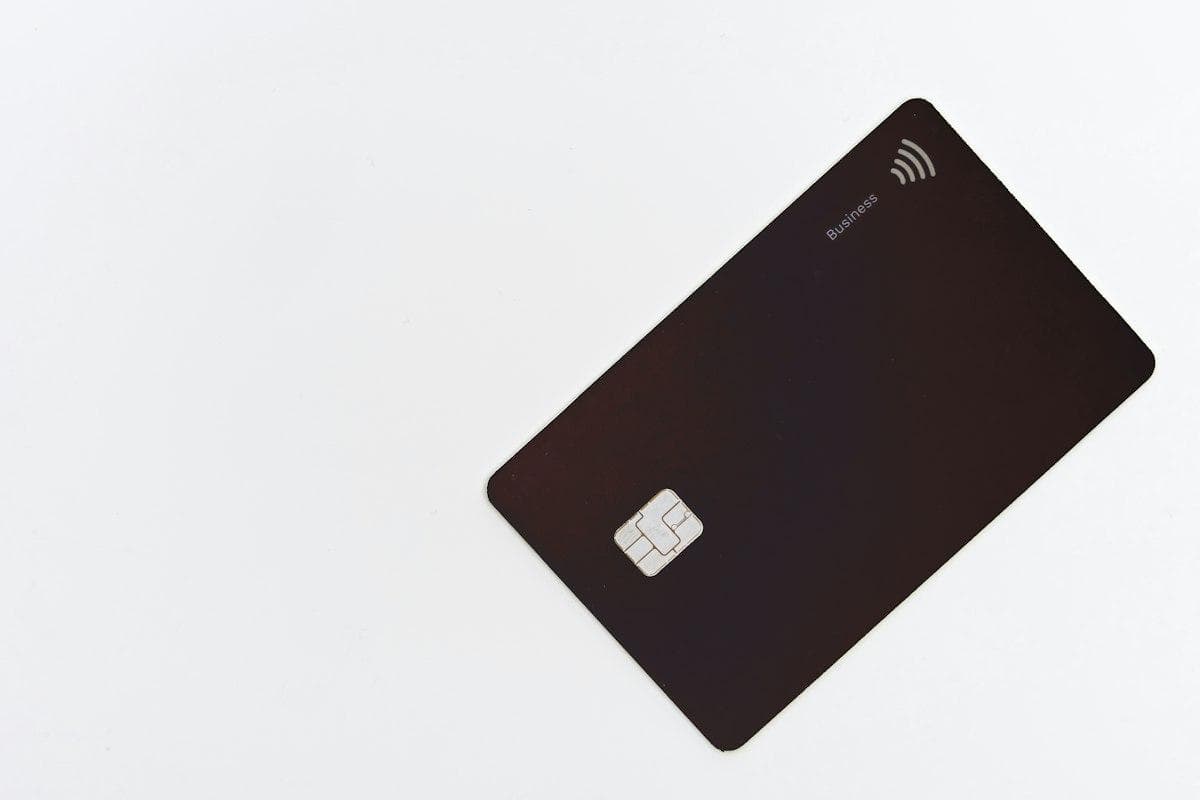
A secured card requires a refundable deposit, often $200 to $500, which becomes your credit limit. Because the bank holds your deposit, approval is easy even with no history. Use it for small regular purchases and pay the balance in full every month. Choose a card that reports to all three bureaus and offers a path to upgrade to an unsecured card.
Step 2: Consider a Credit-Builder Loan
Offered by many credit unions and online lenders, a credit-builder loan holds the borrowed amount in a savings account while you make monthly payments. When the loan is paid off, you receive the money. It adds an installment account to your credit mix and builds payment history at the same time.
Step 3: Become an Authorized User
If a family member or partner has a long, well-managed credit card account, being added as an authorized user can import that positive history to your report. Make sure the card issuer reports authorized users and that the primary cardholder has low balances and no late payments.
Step 4: Report Rent and Utility Payments
Services such as Experian Boost and rent-reporting platforms can add on-time rent, phone and utility bills to your file. This is especially helpful for people starting from zero.
Step 5: Keep Utilization Low
Try to use less than 30% of your available credit at any time, and ideally under 10%. On a $500 limit, that means keeping your statement balance below $50 to $150.
Habits That Protect Your Score
- Set up autopay for at least the minimum payment so you never miss a due date.
- Do not apply for several cards at once; each hard inquiry can lower your score slightly.
- Keep your oldest accounts open, even if you use them rarely.
- Check your reports for free at AnnualCreditReport.com and dispute errors.
Watch Your Spending Habits
Building credit is really about building financial discipline. Lenders look at how you handle revolving credit, so think twice before putting discretionary entertainment on a card, whether that is concert tickets, in-app purchases or a night of casino online. Many card issuers treat gambling transactions as cash advances, which come with higher interest, immediate fees and no grace period. If you enjoy these activities, use a separate debit budget, set firm limits and keep your credit card for planned purchases you can repay in full.
How Long Does It Take?
- Months 1–6: your first account must be open and reporting for about six months before a FICO score is generated.
- Months 6–12: with on-time payments and low utilization, many people reach the mid-600s to low 700s.
- Years 2–3: adding a second card or an installment loan and keeping a clean record can push you above 740.
Conclusion
A good credit score is built slowly through small, consistent actions: one secured card, on-time payments, low balances and patience. Start today, automate your payments and check your progress every few months. Within a year, you can turn an empty credit file into a score that opens doors to better apartments, lower interest rates and real financial freedom.
This article is for general information only and is not financial advice.